TAMAKYXA women bring the forest back to life in the Araribóia Indigenous Territory
From March to December 2025, 20 Indigenous women from the TAMAKYXA group collected seeds, cared for nurseries and planted native seedlings to restore the banks of the Zutiwa river. Here is what their work left for the territory.
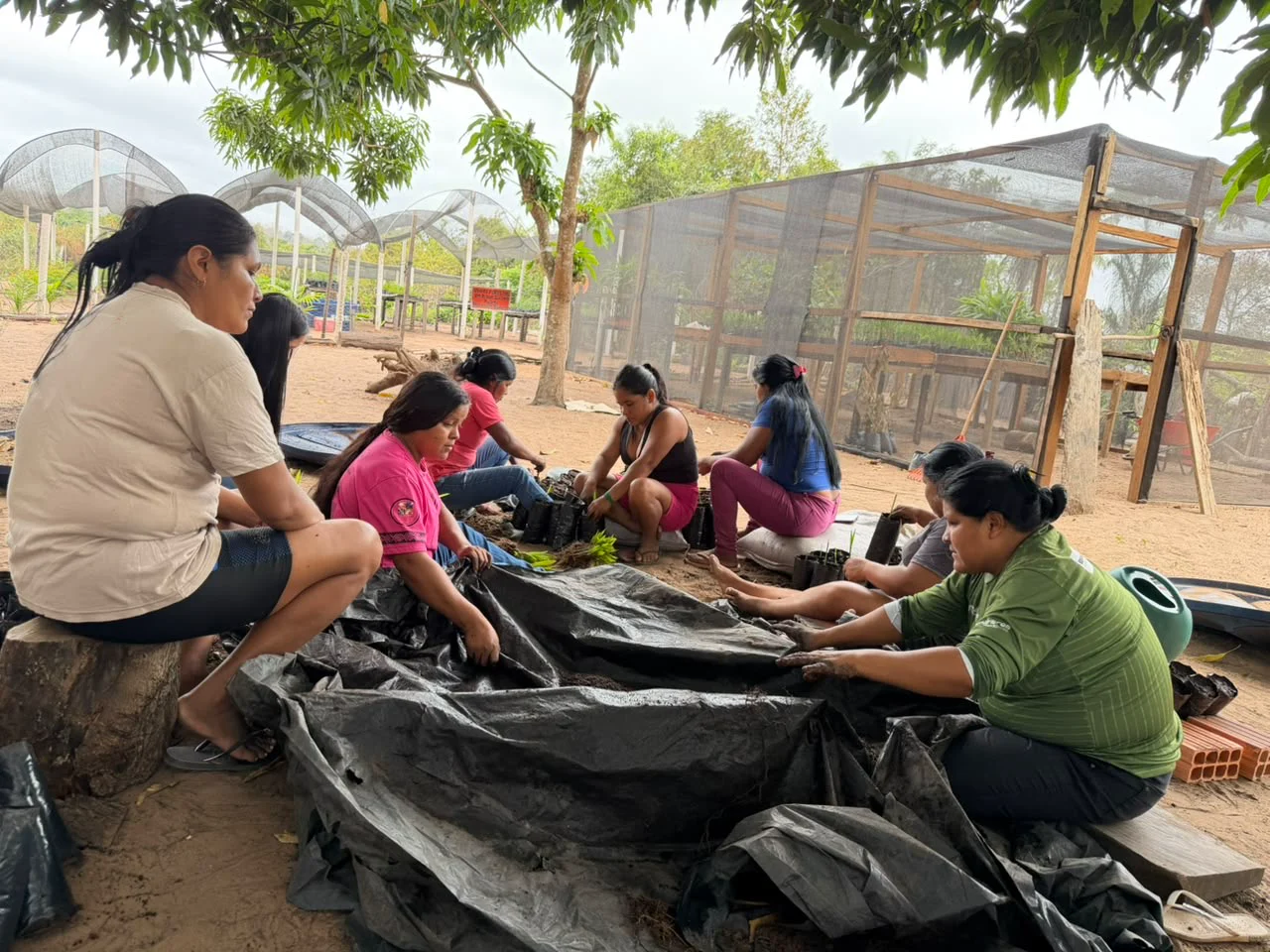
From March to December 2025, 20 Indigenous women from the TAMAKYXA group, mothers, warriors and artisans of the Araribóia Indigenous Territory in the state of Maranhão, Brazil, devoted the year to one mission: bringing life back to land scarred by fire. Their work is part of the WECAN Reforestation and Forest Protection Program, which recognizes Indigenous women as leaders of environmental protection and climate justice.
A response to fire
In 2015, one of the largest fires in the history of Maranhão burned more than half of the Araribóia forest. Smoke covered entire villages, destroyed habitats and affected the rivers. Since then, the communities have been fighting to restore the degraded areas. For the TAMAKYXA women, this struggle is environmental, but also cultural and spiritual: it is the defense of the right to exist in balance with nature.
From the nursery to the riverbank
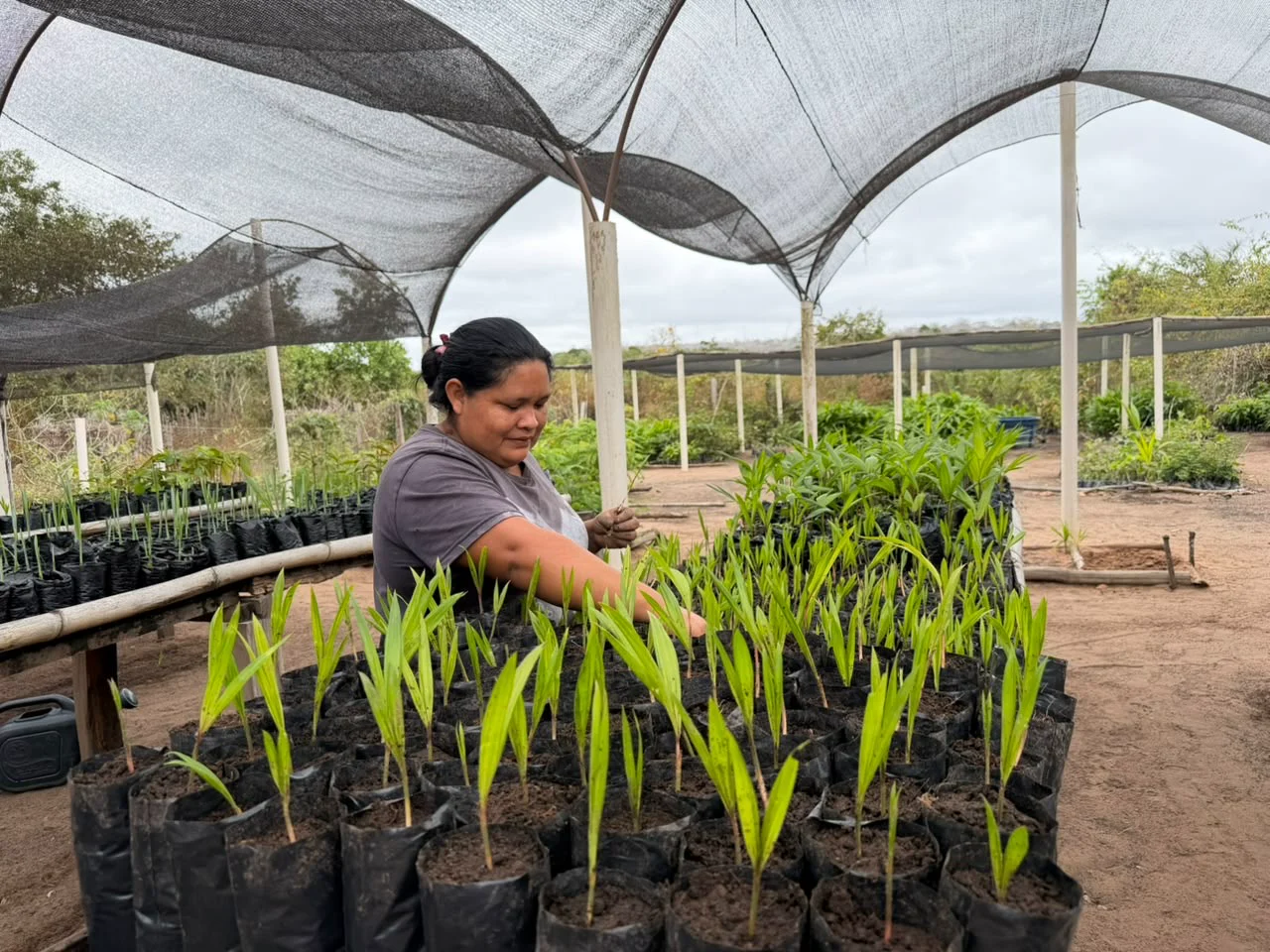
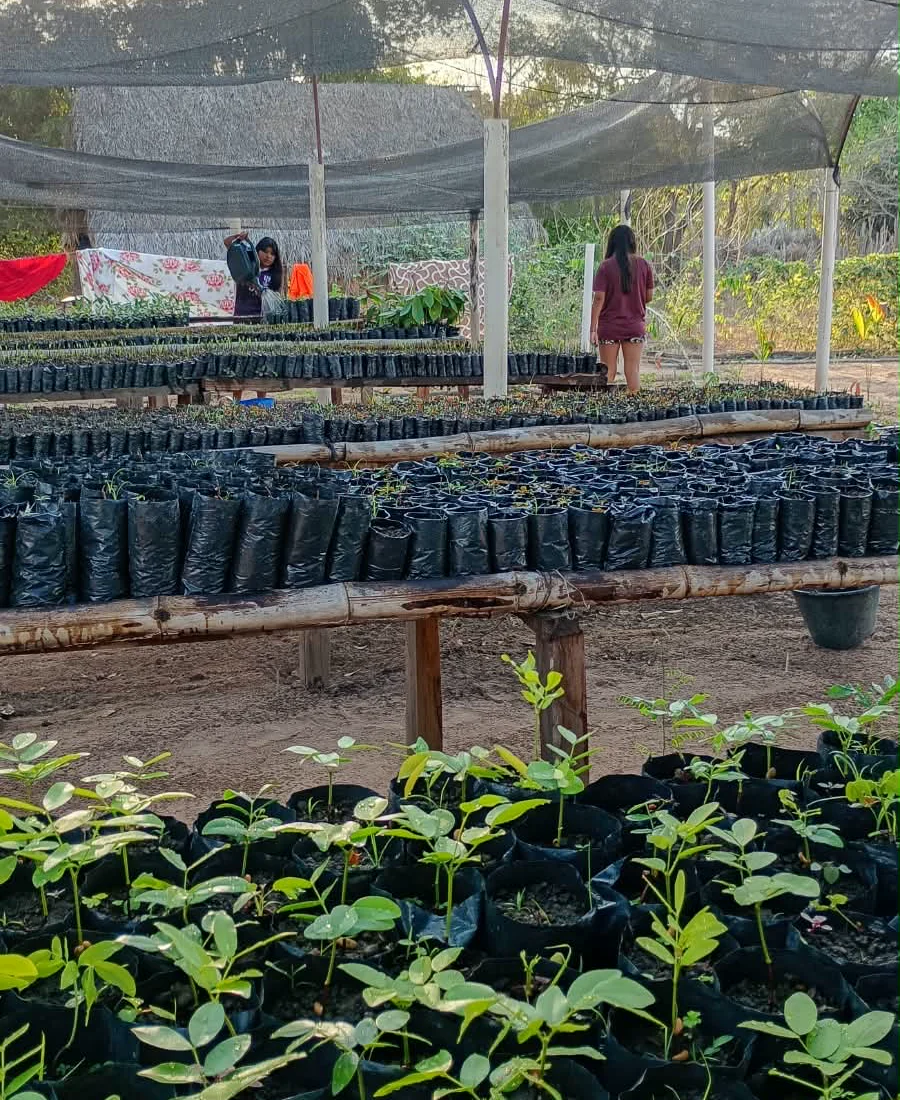
The work covers every stage: collecting seeds in the forest, caring for seedlings in the nurseries and planting in the field, mainly along the banks of the Zutiwa river and near the springs that supply local families. Dozens of native species were grown, such as açaí, bacaba, juçara, buriti, buritirana, tamboril, jatobá, mirindiba, sapucaí and yellow, purple and white ipê trees.
- 20 Indigenous women leading the work;
- 10 months of activities, from March to December 2025;
- 116,155 native tree seedlings planted in the ground, from April to December;
- Restoration of springs and the banks of the Zutiwa river.
Planting is also culture
For the Guajajara people, the forest is not a backdrop: it is a living being to talk with and learn from. When they go into the forest to plant, the TAMAKYXA women make offerings, sing and give thanks. Species are chosen based on traditional knowledge, respecting the rhythm of the rains, the soil and medicinal and sacred plants.
“When the river dries up, our soul also feels thirsty. When the river flows again, it is as if the heart of the forest started beating again.”
TAMAKYXA Indigenous women, Zutiwa region
What stays with the territory
The impact goes beyond numbers. In nature, planting helps protect the waters, reduce erosion and fires and bring biodiversity back. In the villages, it creates work, income and autonomy for women, trains new leaders and teaches how to care for nurseries, seeds and the forest. In culture, it strengthens traditional knowledge and the voice of Indigenous women in community decisions.
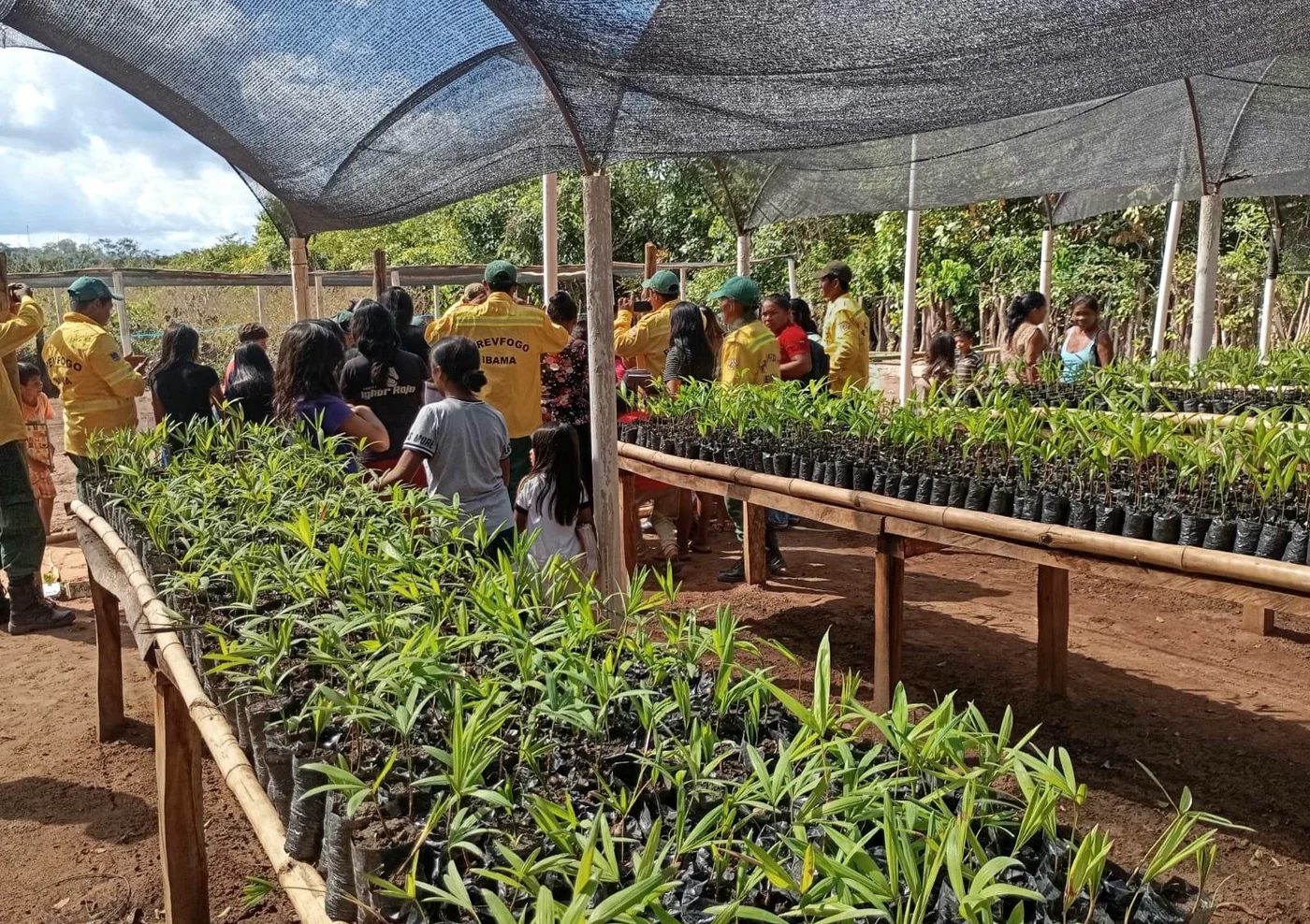
Each of the 20 TAMAKYXA women is a living seed of hope. One sentence from the project report sums up this year:
“When a woman plants, the whole forest is grateful.”
Information from the TAMAKYXA 2025 reforestation final activity report, recorded by Lídia Guajajara and Edivan Guajajara.